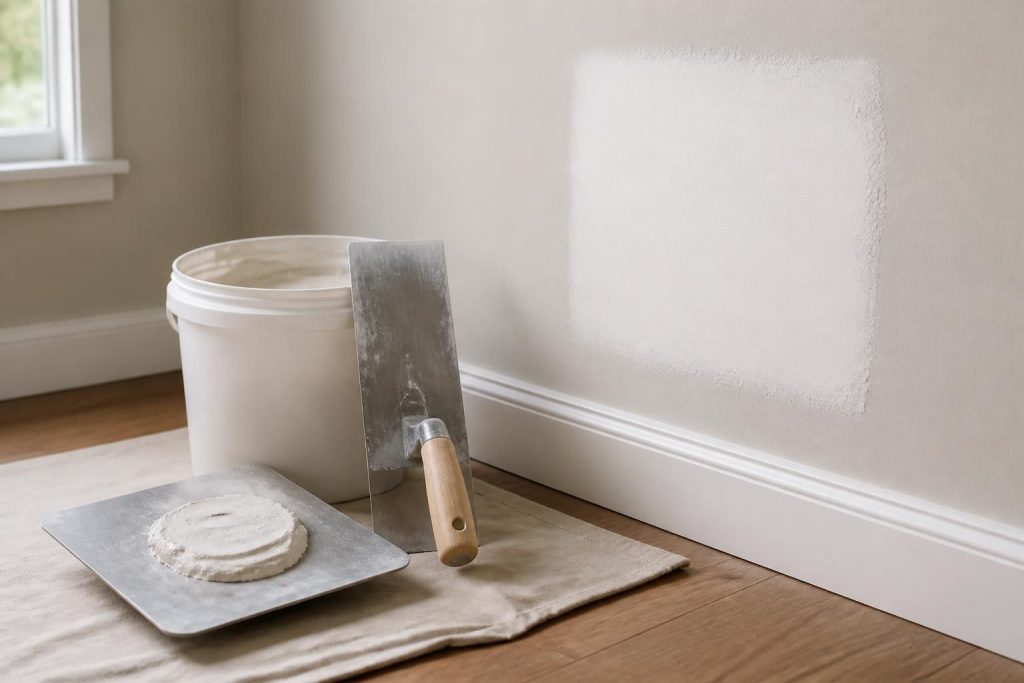
If your walls are showing trowel marks, old repairs, hairline cracks, or a rough finish that keeps catching the light, skimming may be the cleanest way forward. A fresh skim can take a tired surface and leave it ready for paint, wallpaper, or a new room makeover.
Quinn Plastering carries out skimming across Perth, Perth and Kinross, helping homeowners and property managers deal with uneven walls, damaged ceilings, and patchy finishes without turning the job into a larger rebuild than needed. Whether you need one room renewed or several areas brought back to a smooth surface, we can take it from there.
When skimming makes sense
Skimming is often the right choice when the structure is sound but the finish is looking poor. It gives you a cleaner surface without replacing everything beneath it. If plaster has gone dull, cracked, uneven, or been patched a few too many times, skimming can bring the room back to a neat, usable state.
It is also a practical option after other internal work, such as dry lining, repairs to damaged plasterboard, or changes during a renovation. Instead of painting over visible joins and patch lines, a skim creates one continuous finish across the wall or ceiling.
Typical signs you may need skimming
- Walls that feel rough or gritty under paint
- Visible joints, patches, or old repair lines
- Hairline cracking across plastered areas
- Uneven ceilings with marks that show through decoration
- Rooms where wallpaper removal has left the surface tired
What skimming covers
Skimming is more than just a cosmetic touch-up. It is a careful plaster finish applied to create a smooth, even surface across the area being worked on. At Quinn Plastering, we handle skimming for individual rooms, full walls, ceilings, and areas that need repair before decorating can begin.
We also deal with jobs that need a bit more than a light coat. If the base needs attention before the final finish, we can combine skimming with patch repairs, drywall repair, or preparation after internal changes. The aim is a clean result that feels settled rather than hurried.
- Single wall skims
- Ceiling skimming
- Patch repair blending
- Whole-room resurfacing
- Preparation after renovation work
Our skimming process
Good skimming starts before any plaster goes on the wall. The surface has to be checked, cleaned, and prepared so the finish bonds well and sits evenly. We look at the condition of the existing plaster or board, the amount of repair needed, and whether any damp proofing or other work should be dealt with first.
Quinn Plastering keeps the process straightforward. You tell us what you are working with, we inspect the surface, and we explain what is needed before we begin. That may mean a light prep job, more involved repair work, or a full skim across the area.
- Surface check
We assess the wall or ceiling, noting cracks, loose material, damage, and any signs that the base needs attention first.
- Preparation
The area is readied for the plaster finish so the skim can go on to a suitable surface.
- Skim application
We apply the plaster carefully to build a level, smooth finish across the chosen area.
- Final finish
The surface is worked to a clean result that is ready for decoration once fully set.
Rooms and projects we cover
Skimming is useful across all kinds of homes and property improvement work. It may be needed after a single repair, or as part of a bigger renovation where several rooms need attention at once. We work on internal plaster surfaces as well as associated jobs that support the finish.
That includes skimming for loft conversion spaces, extension areas, renovated rooms, and places where damaged plasterboard or old repairs have left the surface looking uneven. If the job needs a smooth finish before decorating can continue, we can usually help.
Common skimming jobs
- Bedrooms, lounges, hallways, and stair areas
- Ceilings showing old marks or repairs
- Newly altered rooms after building work
- Areas prepared for repainting or wallpapering
- Surfaces affected by patch repairs or replacement boards
Skimming and related repairs
Skimming works well on its own, but some surfaces need more than a finish coat. If the wall is damaged, the board is loose, or a deeper problem is hiding behind the surface, we can handle the repair stage first and then complete the skim. That gives the finish a better base to sit on and helps avoid a patched look.
We also carry out damp proofing, roughcasting, rendering, drywall installation, drywall repair, external plastering, internal wall insulation, patch repairs, home renovation plastering, loft conversion plastering, and extension plastering. If your skimming job is part of a wider project, it helps to have one plastering company manage the sequence from start to finish.
What a smooth finish does
A good skim changes how a room looks and how it feels to decorate. Uneven plaster can show through fresh paint, make light fall awkwardly, and leave corners looking untidy even when the room is otherwise sound. A smooth finish gives decorating work a stronger base and makes the whole space look more settled.
For many homeowners, skimming is the point where a room stops looking like a work site and starts looking ready to use. If you want a surface that takes paint evenly and does not keep highlighting old marks, this is often the most direct route.
Practical results you can expect
- A flatter surface for paint or wallpaper
- Less visibility of old patches and minor repairs
- A cleaner look across walls and ceilings
- A stronger visual finish after renovation work
Skimming across Perth
Quinn Plastering carries out skimming across Perth, Perth and Kinross, as well as surrounding central Scotland service areas. We regularly help with domestic and commercial properties, from small patch repairs through to full-room resurfacing.
If you are planning work across more than one room, or if skimming is only one part of a larger plastering project, it is worth arranging things early. That helps avoid decorating over damaged surfaces or dealing with obvious joins later on. Free quotes are available across the service area, so you can get a clear view of the work before starting.
Common questions
What sort of surfaces can be skimmed?
Skimming can be applied to many internal plaster surfaces, including walls and ceilings that are structurally sound but visually rough or uneven. It is also useful after repairs to plasterboard or patch areas.
Can skimming help after old repairs?
Yes. If previous patching has left ridges, marks, or noticeable changes in texture, skimming can unify the surface and make it much easier to decorate.
Is skimming useful after renovation work?
It often is. Renovation work can leave a mix of old and new surfaces, and skimming helps create one consistent finish across the room.
Do you handle small patch jobs?
We do. Smaller patch repairs can be skimmed where needed, especially when the aim is to blend the repair into the surrounding wall rather than leave a visible join.
How do I know if the wall needs repair before skimming?
If the plaster is loose, cracked deeply, damp, or broken away in places, the base may need attention first. We assess the surface before starting so the finish goes onto suitable material.
Can skimming be part of a larger plastering project?
Yes. Skimming often sits alongside drywall work, damp proofing, rendering, or renovation plastering, depending on what the property needs.
Book your quote
If your walls or ceilings are ready for a smoother finish, Quinn Plastering can help with skimming across Perth, Perth and Kinross. From a single tired room to a larger project with repair work and finishing included, we handle the plastering side so you can move on to decorating with confidence.
Call +447828492332 to arrange a free quote and discuss the skimming work you need.