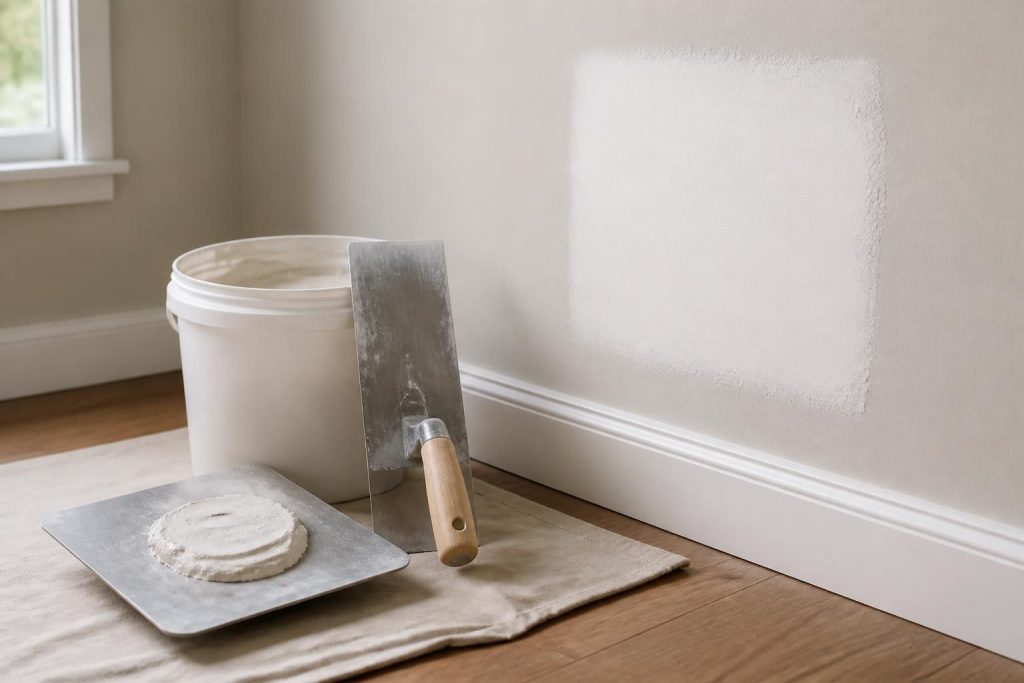
Cracks, dents, blown plaster, and small holes can make a room look unfinished fast. If the surface has started to flake, split, or show patchy marks after a fix, it may need a careful repair rather than a quick cover-up.
Quinn Plastering carries out patch repairs across Perth, Perth and Kinross, restoring damaged areas so they blend back with the surrounding wall or ceiling. We handle small local repairs through to larger patched sections after plumbing work, renovation changes, or general wear, with a finish that is ready for decorating.
When patch repairs help
Patch repairs are the right choice when the damage is localised and the rest of the plaster still has sound structure. A patch can save time and disruption compared with stripping back a whole wall, but only when the repair is built around a clean, stable edge.
Typical problems we deal with across Perth, Perth and Kinross include:
- holes left after removed fittings or fixtures
- cracks around openings, corners, and joins
- small blown sections where plaster has lost its grip
- surface dents, chips, and impact marks
- areas disturbed by renovation or alteration work
- patched spots that need a neater finish before painting
When we assess a wall or ceiling, we look at the size of the damage, the depth of the break, and how the surrounding plaster is holding up. That helps us decide whether a straightforward patch repair will do the job or whether a wider section needs attention first.
What causes damage
Not every mark needs a major repair, but the cause matters. A patch that only hides the visible surface can fail early if the underlying problem is still active. Quinn Plastering looks at the full area so we can repair the surface with the cause of the damage in mind.
Common causes
- Impact damage
A knocked wall, moved furniture, or a misplaced tool can leave a chipped or broken section that needs rebuilding.
- Previous repairs
Old filler or a rushed repair may crack again if it was not bonded and finished carefully.
- Movement at joints
Openings near doors, corners, or board joints can show hairline cracks or break away around the edge.
- Work after alterations
When pipes, wiring, or layout changes leave an opening, the surrounding surface often needs patching back to a clean line.
For patch repairs across Perth, Perth and Kinross, the aim is not just to cover damage. It is to restore the surface so it sits naturally beside the rest of the wall or ceiling.
Our repair process
Good patching starts with preparation. If loose material is left behind, even a neat skim can look fine at first and then fail later. We remove anything unstable, build the repair on sound edges, and work the surface so it finishes cleanly.
Step by step
- Inspect the area
We check the size of the damage, the surrounding plaster, and the shape of the break so we can plan the right repair.
- Prepare the surface
Loose plaster, dust, and weak material are cleared away to create a firm base.
- Build the patch
The damaged section is rebuilt with the right depth and shape so it sits level with the rest of the surface.
- Blend the finish
We smooth the repair so it ties into the surrounding area with minimal visible change.
- Leave it ready
The repaired area is left ready for decorating once it has set and been completed to the required finish.
When a patch repair is done well, it should not draw attention to itself. The repair should sit quietly within the room, doing its job without looking like a last-minute fix.
Walls and ceilings
Patch repairs are often needed on both walls and ceilings, and each surface asks for a slightly different approach. Vertical surfaces can show joins, movement marks, or impact chips. Ceilings may show cracks, loose areas, or repairs left after access work.
Wall repairs
Wall patching often follows furniture damage, removed fittings, or small sections cut out for access. These areas need a smooth return to the surrounding finish so paint does not highlight the repair.
Ceiling repairs
Ceiling patch repairs can be more noticeable because light catches uneven areas quickly. We work to reduce ridges, edges, and dips so the repaired section blends as naturally as possible.
Matching the finish
Every patch repair depends on the surrounding texture and surface condition. A patch beside a smooth skim needs a different approach from a patch beside a more worn wall. We aim to match the finish so the repaired section feels part of the room rather than a separate repair area.
Before painting
Patch repairs often come up just before a room is redecorated. If the wall still shows dents, cracks, or ragged edges, paint can make those flaws stand out more clearly. A clean repair gives the decorator a better base to work with.
Before painting, it helps to check whether the surface needs:
- crack filling and smoothing
- rebuilding around missing plaster
- blending around old repair marks
- cleanup after chasing, cutting, or access work
- patching of corner breaks or isolated damaged spots
Quinn Plastering provides patch repairs that prepare the surface for the next stage of the project, whether that is a single room refresh or part of a wider home renovation.
Why careful patching matters
A patch repair should save time and keep disruption lower than replacing more plaster than needed. But a poor patch can leave a ridge, a soft edge, or a visible shape that catches the eye every time the room is used.
Careful patching matters because it:
- supports a cleaner painted finish
- helps the repair sit level with the surrounding surface
- reduces the look of old damage
- keeps the area neat after localised repairs
- makes small issues easier to deal with before they spread
For homes and properties across Perth, Perth and Kinross, patch repairs are often the practical answer when the damage is contained but needs more than filler alone.
Local repair help
Quinn Plastering carries out patch repairs across Perth, Perth and Kinross, and surrounding areas of central Scotland. We also work on related plastering tasks such as skimming, drywall repair, internal wall insulation, roughcasting, rendering, and home renovation plastering when the job calls for more than a small patch.
If you are dealing with damaged plaster, a cracked section, or a hole that needs rebuilding, we can take a look and advise on the right fix. Free quotes are available across the service area, and we handle both straightforward repairs and patching tied to larger property work.
For patch repairs that need to blend neatly and hold up to everyday use, Quinn Plastering is ready to help across Perth, Perth and Kinross.
Common questions
How do I know if I need a patch repair?
If the damage is limited to a small section and the surrounding plaster still feels sound, a patch repair is often the right answer. Cracks, chips, holes, and local blown areas are all common reasons to call for this service.
Can patch repairs cover holes left after fittings are removed?
Yes. Openings left behind after fixtures, fittings, or access work are a common type of repair. The damaged section is rebuilt, smoothed, and left ready for decoration.
Will the repair match the rest of the wall?
That depends on the condition and finish of the surrounding surface, but the aim is always to blend the repair as closely as possible with the existing plaster. A clean edge and careful finishing make a big difference.
Do patch repairs work on ceilings as well as walls?
Yes. Ceilings often need patching after cracks, access work, or small areas of loose plaster. The repair method changes slightly, but the goal stays the same: a neat, even finish.
What should I do before the repair visit?
It helps to clear access around the damaged area and remove loose items nearby. If you know what caused the damage, share that too, since it can help us judge whether the patch is straightforward or part of a wider issue.
Can patch repairs be part of a larger renovation?
Absolutely. Patch repairs are often needed during renovations, loft conversion work, extensions, or room updates. They can tidy up cut-outs, alterations, and small damaged sections so the rest of the project can move ahead cleanly.